
In 1976, in the midst of the struggle for freedom during the Spanish democratic transition, a group of Basque artists made their voices heard at the Venice Biennale, turning art into an act of collective expression and cultural resistance.
Marking 50 YEARS since that historic milestone, the Basque Country returns to Venice with new tools and artistic languages, but with the same conviction: that culture is a way of relating to the world.
Through a living archive, the project intertwines memory and contemporary creation, bringing audiovisual materials and documents from 1976 into dialogue with today’s works, fostering a meeting point between generations of artists, researchers, and institutions.
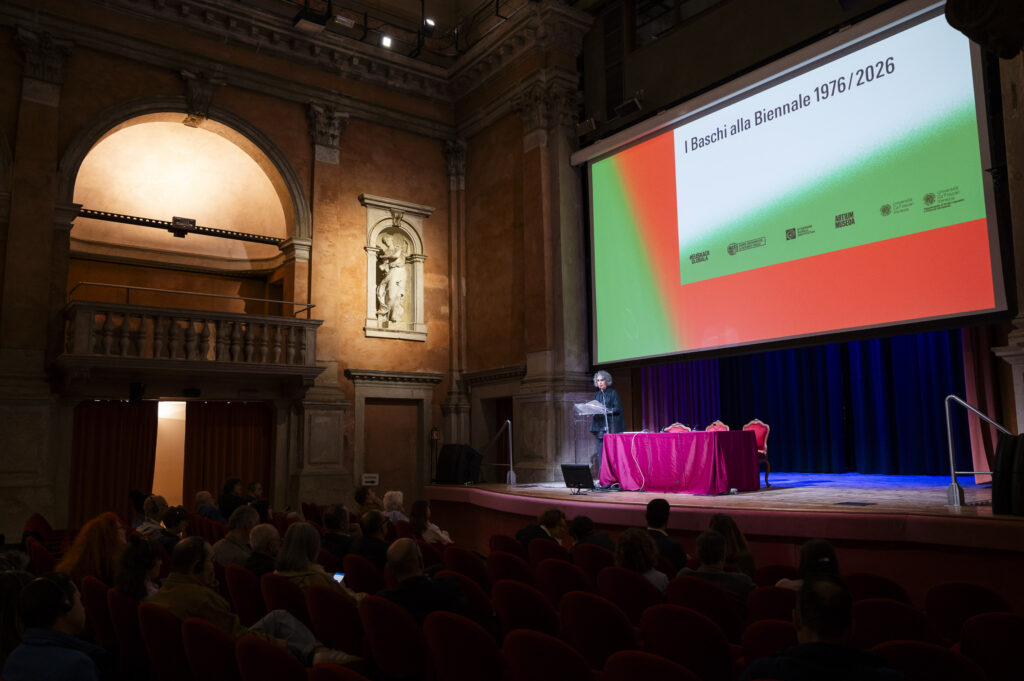
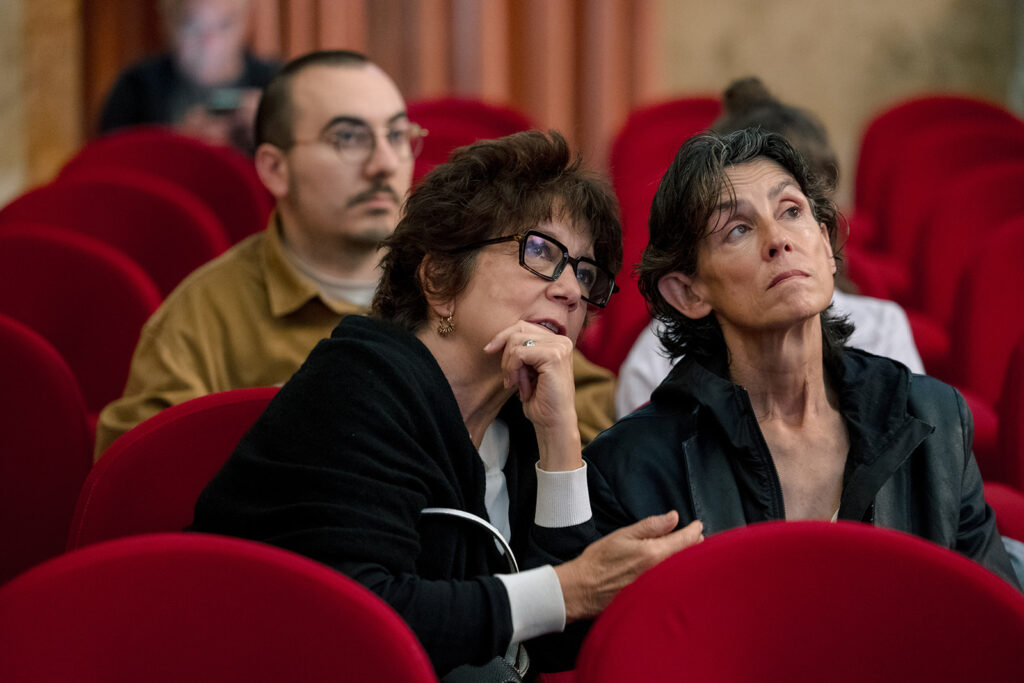
The academic program begins at Ca’ Foscari University, where researchers and artists analyze the impact of Basque art in the international context, revisiting the lectures and debates that defined the 1976 edition.

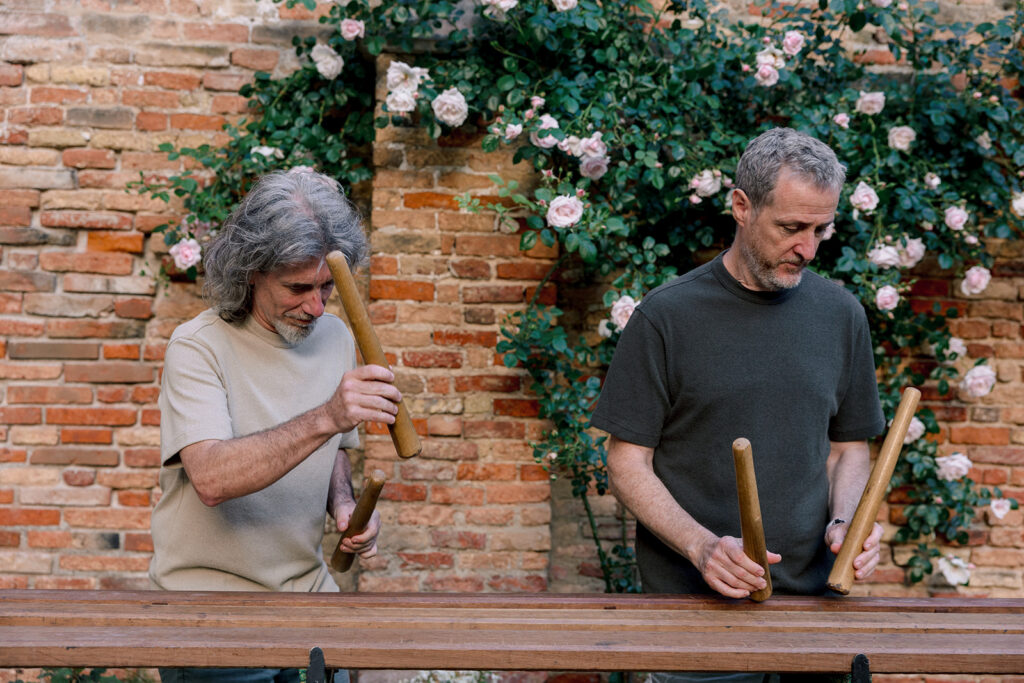
Contemporary creation takes over the university space with an intervention by the Tripak collective. A proposal that utilizes the body and language to reactivate archive materials from a current perspective.

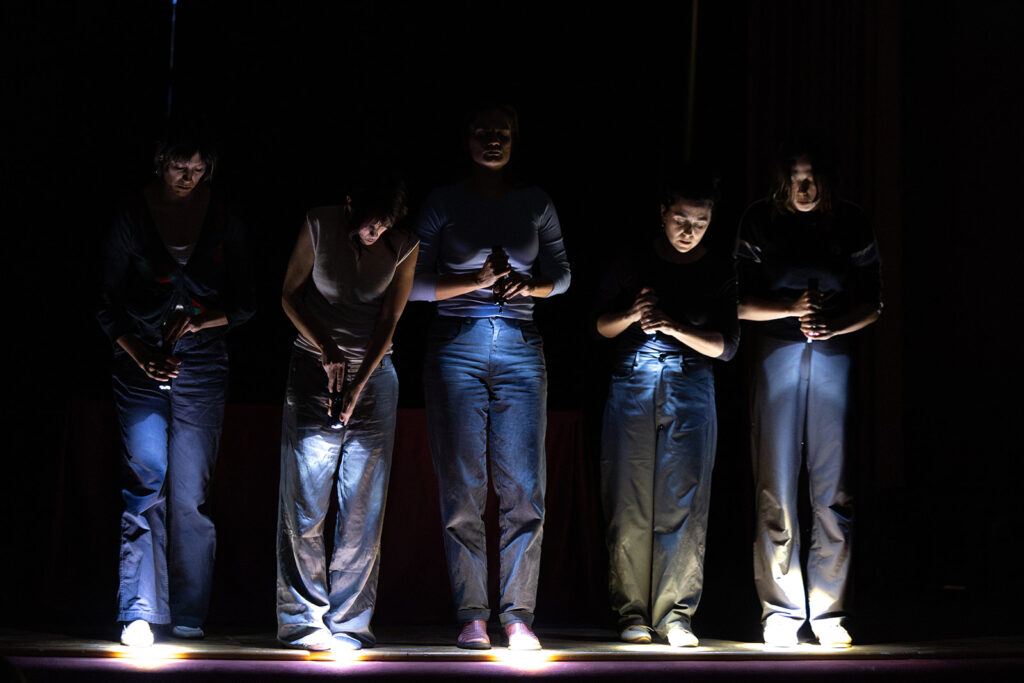
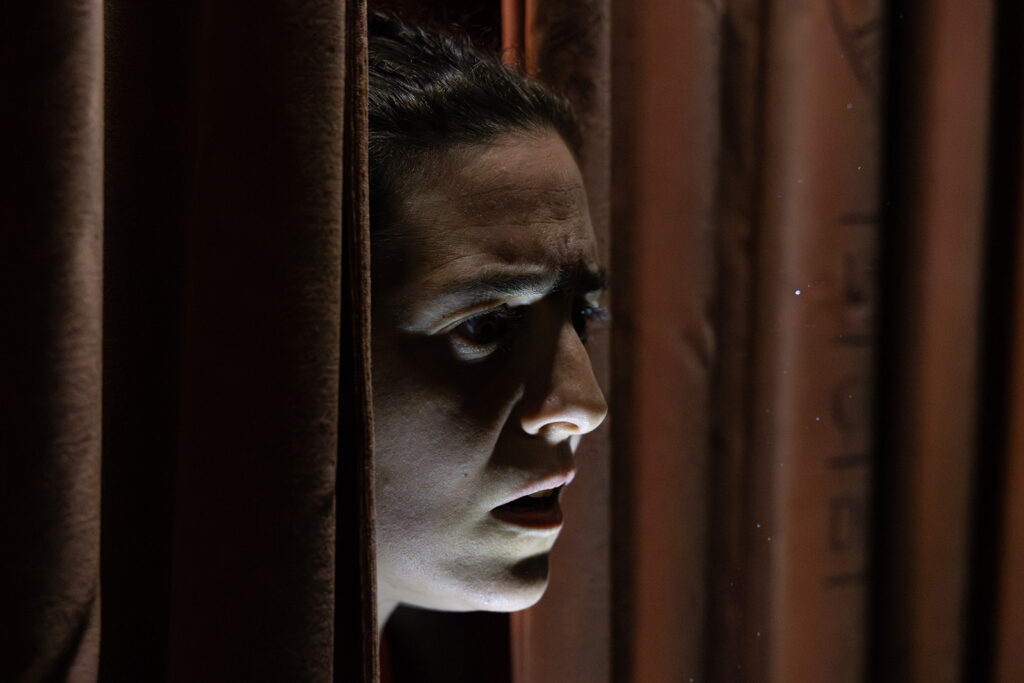
At the Palazzo Contarini della Porta di Ferro, artist Itziar Okariz presents a piece that explores the boundaries of the sign and the voice, establishing an invisible bridge between historic Venice and the Basque avant-garde.

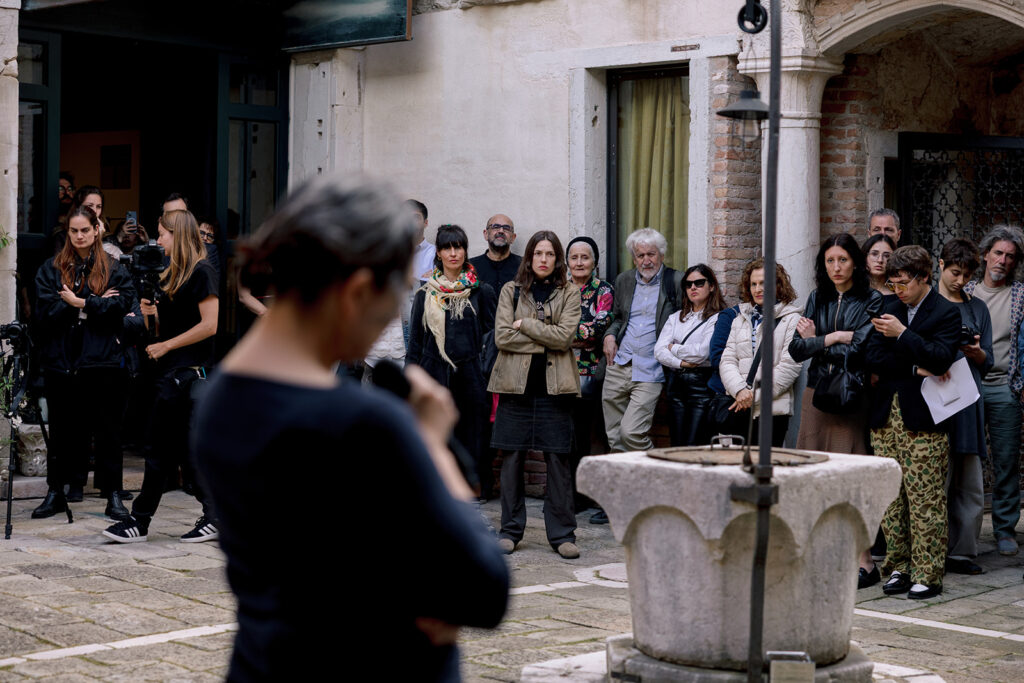

The core of the project unfolds as a detailed case study, where unpublished documents and audiovisual material from 1976 are presented as a critical source of knowledge for new generations.
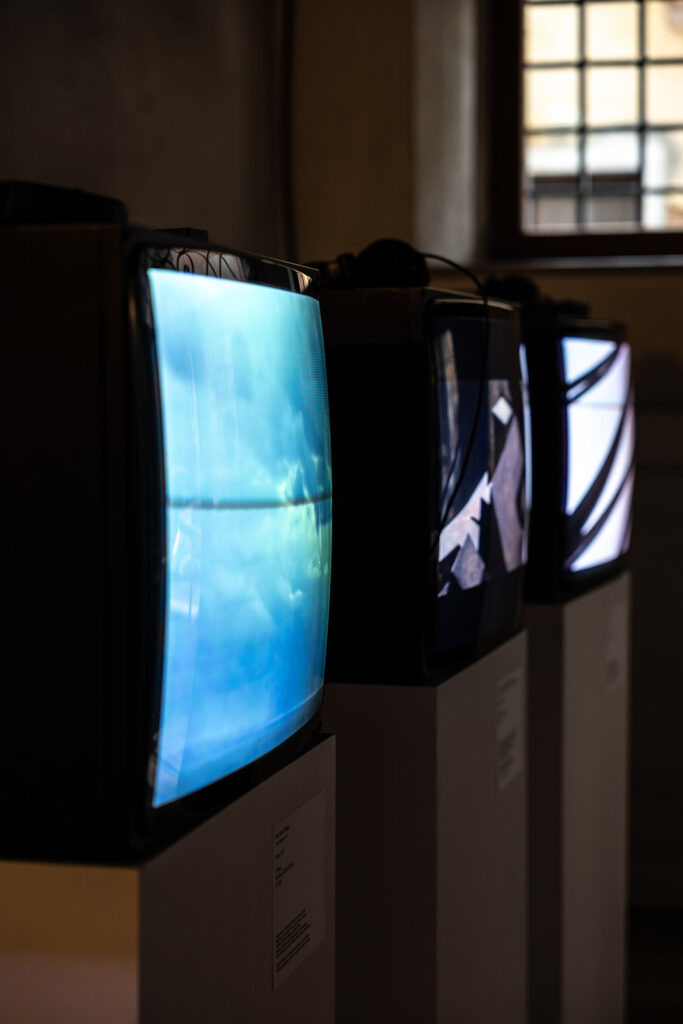


The Palazzo becomes a confluence point for Creators (Sortzaileak), where the Tripak collective expands its performative language in direct dialogue with the documentary pieces of the exhibition.
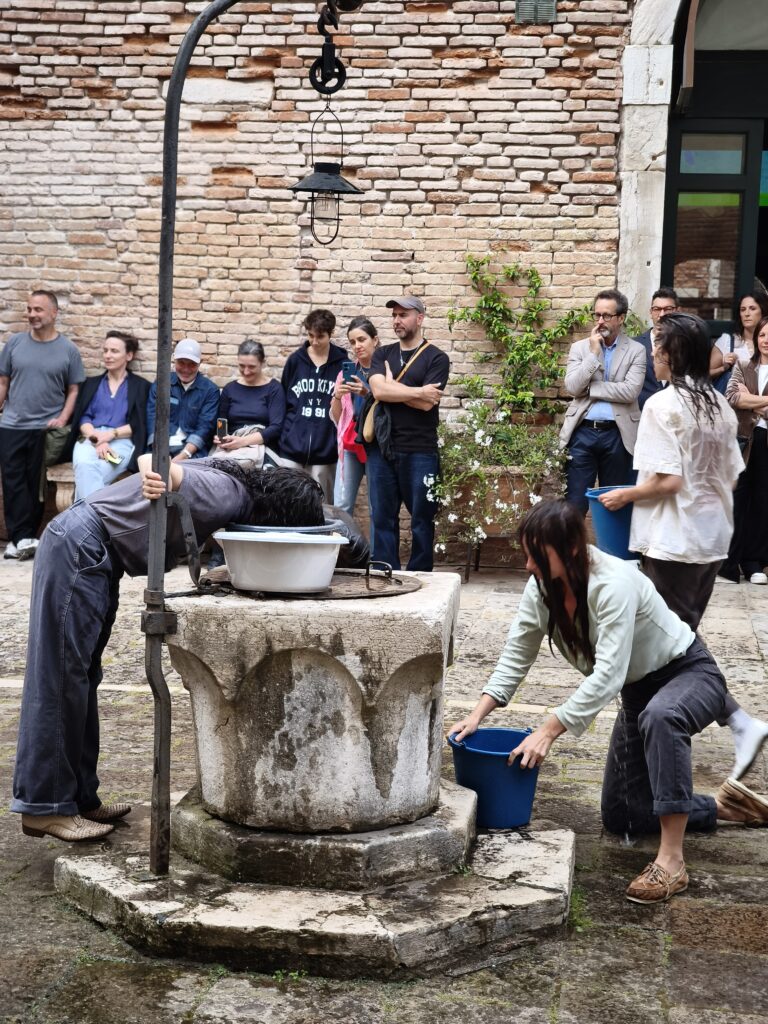
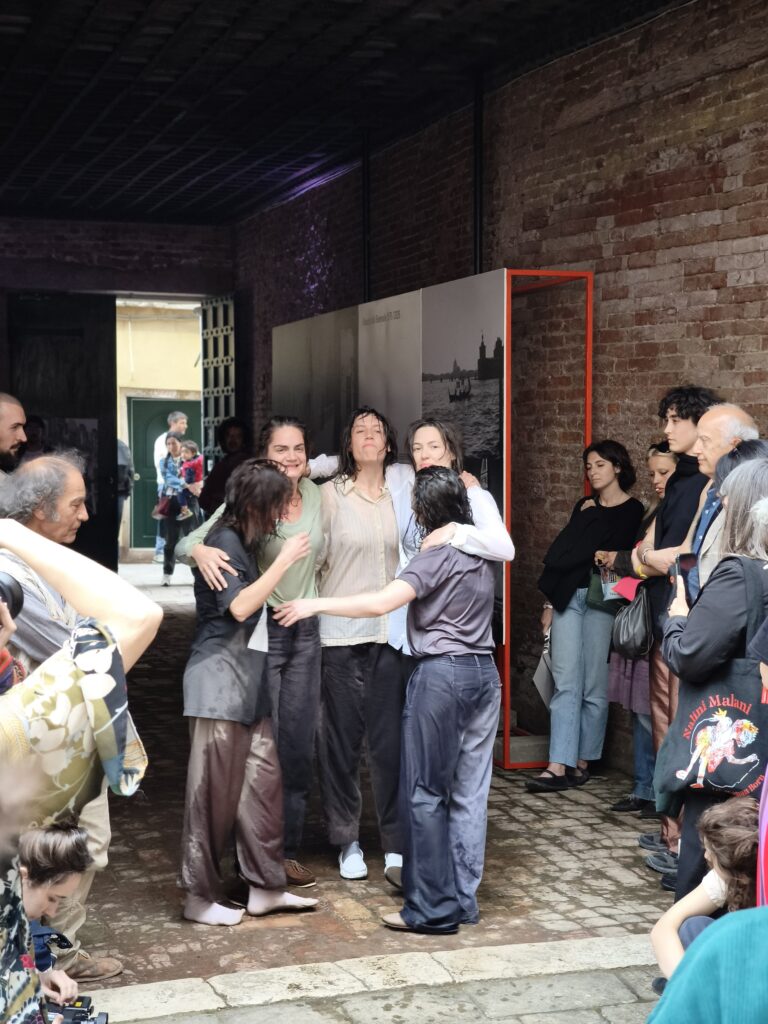
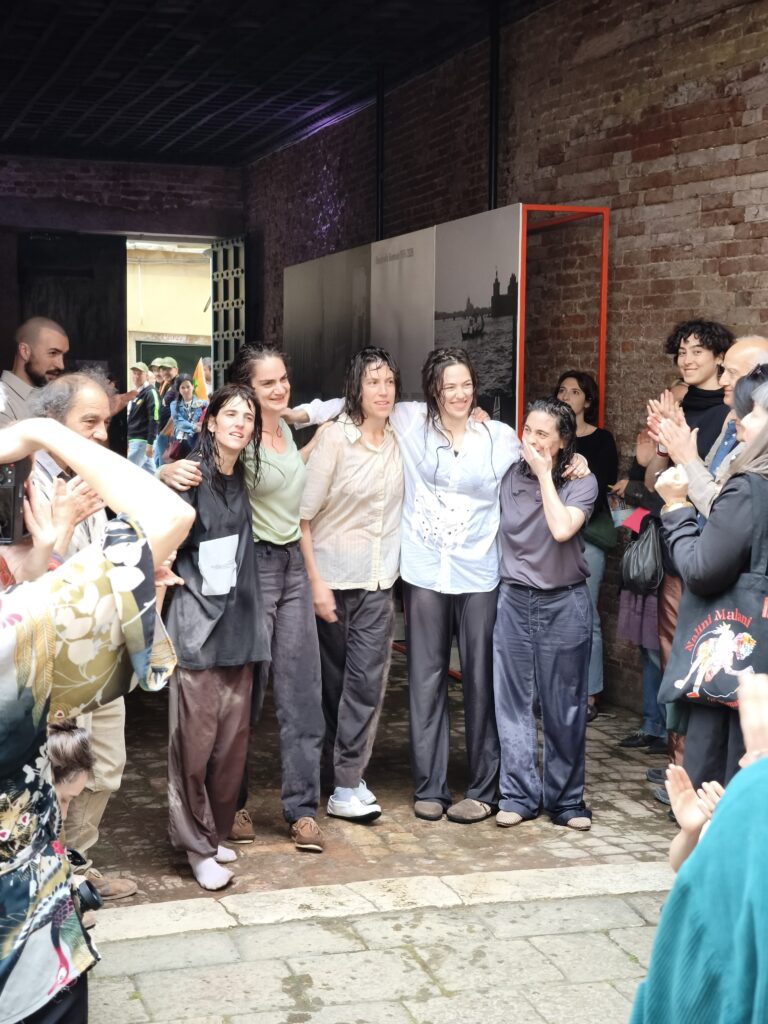
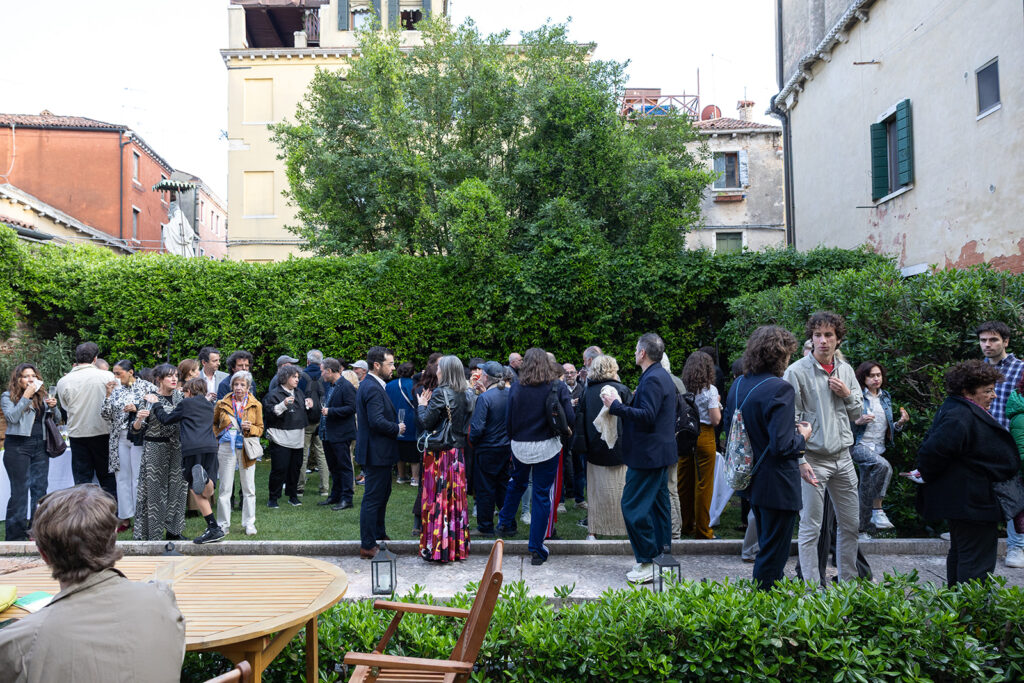
The professional and social gathering celebrates the union between institutions, researchers, and artists, strengthening a cultural collaboration network that transcends the borders of the Basque Country.
Photos: Etxepare Basque Institute, Osvaldo Di Pietrantonio